Personae · MORTAL
Chapter 51
Halvard Crane
also called the High Reeve, Reeve Crane, the Man Who Bolts the Chair
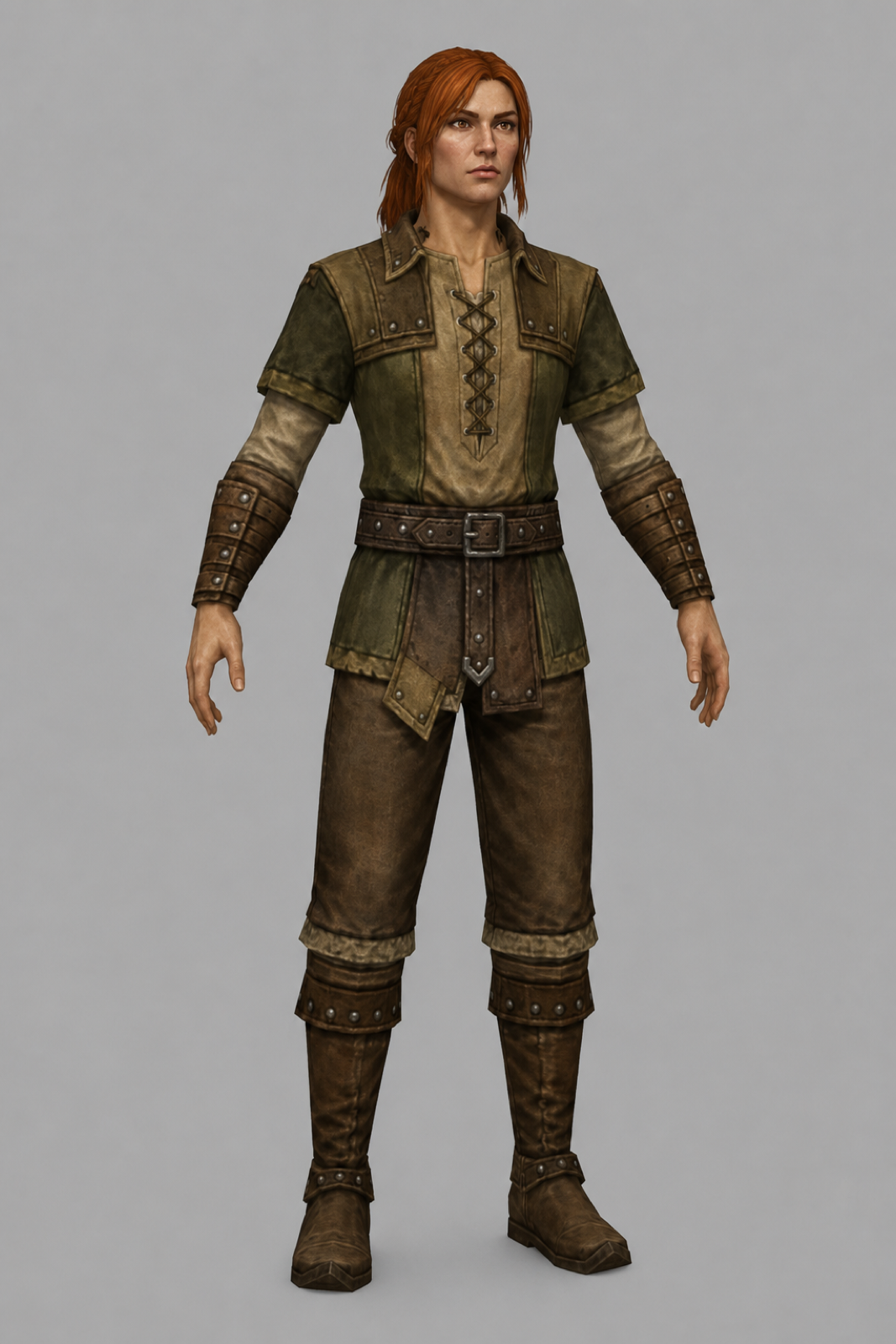
The High Reeve of Highbridge — the settler magnate the trade-moot is most afraid to cross, and so the de facto ruler of the free city. A superb administrator running a government he privately believes is a fiction one Vandahl march from ending, Crane keeps the free city free the only way he trusts: by quietly paying to keep the House's claim asleep.
Halvard Crane came up through grain-writs and toll-farming, not blood, which is the whole point of him: Highbridge is a free city because the settler-folk raised it, and it is ruled by whoever can run the ledger of it without dropping the plates. For eleven years that has been Crane, elected and re-elected by a trade-moot that fears his competence more than it likes his manner. He is dry, exact, tireless and unloved, and he has kept the roads open, the grain moving, the watch paid and the tolls honest at the clerk level through winters that broke smaller towns — a genuinely good administrator of a genuinely fragile thing.
What keeps Crane awake is the chair he sits in. It is bolted to the floor of the Crossing-Hall over the old Vandahl audience-dais, and he had the bolts checked the week he took office, because he understands better than the moot what that chair means: the free city's independence is not a right it won but a courtesy it has not yet been made to test. House Vandahl pulled back to its keeps and left a sergeant and a grudge; the day a Vandahl banner comes down the north road in earnest, every writ Crane has ever stamped is worth exactly what the House says it is. So Crane does the thing he can never say aloud in the moot that elected him to defend their liberty: he pays. Quietly, through the Writ's own spymaster, he keeps a stream of coin and information flowing that makes it more convenient for House Vandahl to leave Highbridge nominally theirs and practically alone. He has decided the free city's freedom is best preserved as a bribe nobody knows is being paid — and he has never resolved, in eleven years, whether that makes him the city's most honest servant or the man who sold it in advance to keep it.