THE LIBRARY · THE VALE
Sera of the Last Loaf, Told Proper
The Vale's best-loved Fire-Tale, written down the way it is actually told at the fire — interruptions, corrections, and all. The story of the baker's widow who walked bread over the drifted passes through the Great Famine's killing winter, past the line the sensible people drew, until the thaw came and she didn't. The tale mothers reach for first, because it needs no dragon.
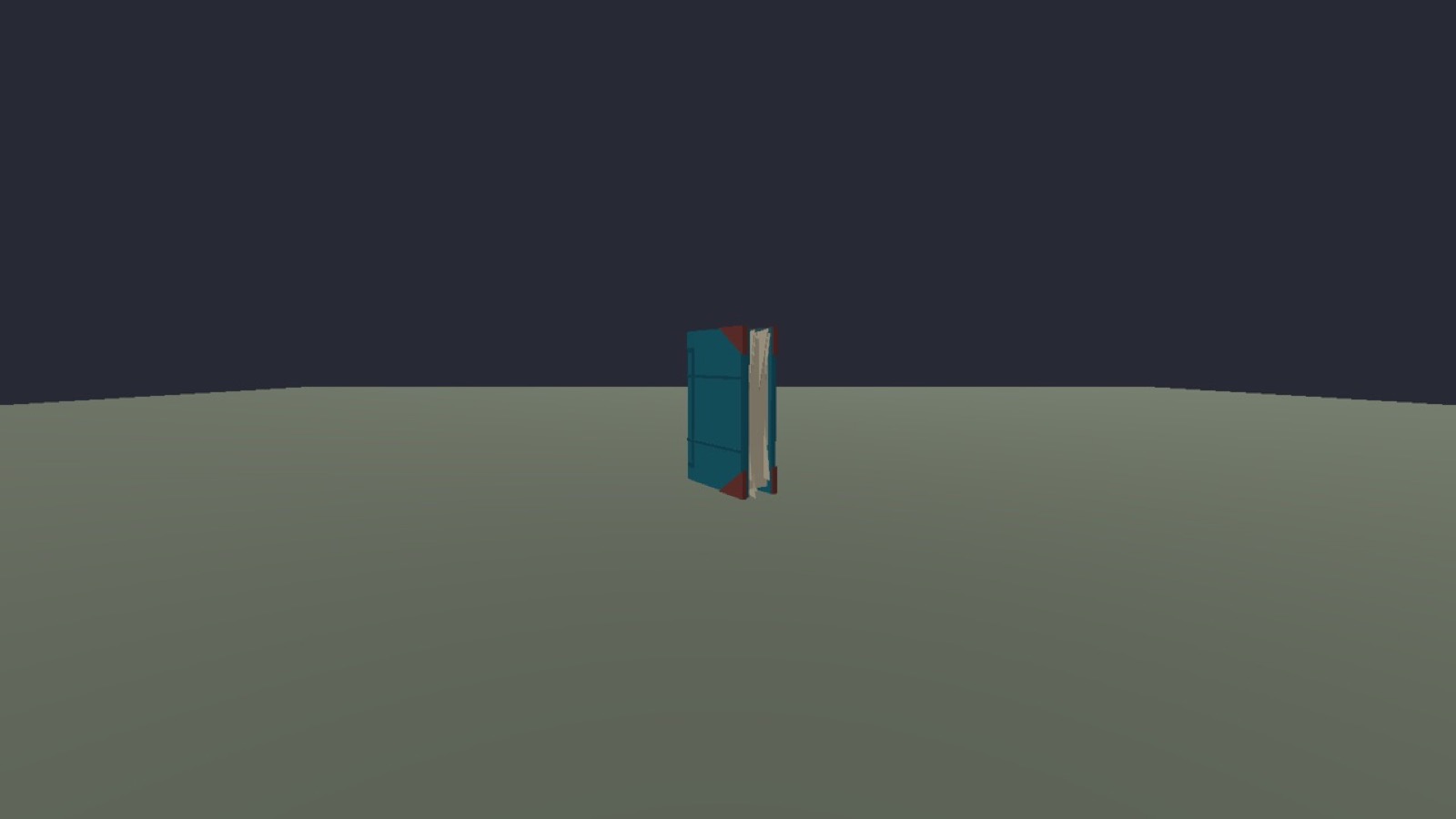
[a chapbook, cheaply stitched, the cover soft as cloth from handling; the copyist's note reads: 'Taken down at the fire at the Lame Ox over three nights, with the room's corrections left in, because a Fire-Tale told without them is a bird with its wings folded'] You'll want to hear about the wolf first. Everyone wants the wolf first. We do not start with the wolf. We start with an oven, because she did. A good oven, river-clay and fieldstone, built by a man who then died and left her the oven and the debt on it, which is the way of things. Sera was old. Not story-old, where old means wise and straight-backed — old where your knees make remarks when you stand. She baked for the market and made the debt-payment eight seasons in ten, and if the tale started and ended there it would still be truer than most lives get. Then came the famine winter. Not the first famine year — the worst one, when the passes shut in the tenth month and stayed shut. And here is the part you must have whole, or the tale is just weather: the factors drew a line. On a map, in a warm room, with tea. Steadings this side could be fed off the stores. Steadings that side could not. Nobody wicked did this — write that down, you at the back — it was arithmetic, done by sensible people, and every winter since the Sundering some room somewhere has done it. The line was drawn, and the folk past it were spoken of like the already dead, by neighbors who still owed them harvest-help. Sera heard where the line ran. And the tale says she stood in her doorway one whole morning — the tellers give her a whole morning, because we like to think we'd need less — and then she fired the oven. She baked what there was. Bark-flour and bean-meal and the factor's sweepings that no one with coin would touch. Loaded a hand-sled her husband had built for firewood. And walked past the line. Fourteen miles of drifted trail to the first written-off steading, on knees that made remarks. She found them alive, burning the byre boards, and out of everything. So she left the bread, and walked home, and baked, and went out again. (Now the wolf. There is a strand with a wolf on the third trip, turned by a burning brand off the sled's lantern. There is a strand with an ice-bridge that groaned like a door. There is the strand about the toll-post that tried to weigh her bread for the crossing-fee and received instead the whole of her opinion, which took a while, and which the teller at the Ox does in Sera's own grain-country vowels until the room weeps. Tell the strands you like. The tale does not stand on them.) It stands on this: she kept going out. All winter. Different trails, more steadings, the sled heavier than she was. Some tellings give her a dog. Some give her a deserter off the Rampart roads who never says his name and steadies the sled on the bad miles — and firesides will argue about him until the ash goes grey, and that is the custom's own pleasure, so let them. Every telling agrees the line did not survive the shame of her. By midwinter there were other sleds out, because it turns out sensible people can also be shamed into being good ones, which may be the most hopeful thing any Vale tale has ever claimed. And every telling agrees on the end, because a Fire-Tale does not lie about the cost. Last trip of the winter, the first false-spring melt, the trails half water. She reached the steading. Set the bread on the table. And sat down by their fire, and was done — the way a candle is done, no wound, no wolf, just spent. They carried her home the whole fourteen miles hand to hand, and the tale says there were more hands on the road than there was road, and for once the tale is probably underselling it. So. That is why the heel of the loaf goes on the sill at night, in this house and half the Vale — Sera's piece, for whoever is still walking in the dark with too far to go. The temple-folk will tell you the sill-loaf is the Good Neighbor's due and always was. Keep it anyway. Whichever of them takes it, you are on the right side of the night. Eat. Sera walked further with less.
KIND
tale
AUTHOR
taken down by an unnamed copyist at the fire at the Lame Ox, 'with the room's corrections left in'
REVEALS
the full Sera tale — the factors' line, the winter runs, the strand-variants, her death, and the origin of 'Sera's piece' (the sill-loaf custom)
Connected
Type Fields
All Relationships (3)
documents
- →Sera of the Last Loaf — The chapbook is her tale told proper — the fire's own version, with the room's corrections left in.
- →The Fire-Tales — By keeping the interruptions and disputed strands, the chapbook records how a Fire-Tale is actually performed, not just what it says.
references
- →The Ash Famine — The tale's winter is the Great Famine's worst; the factors' line and its shame are told in full.
This world ships in Valenfeld. Wishlist on Steam →